09 October 2026
Funding shortfall directly ignores the needs and rights of older Australians
Benetas is calling on the Federal Government to consider the needs and rights of older Australians to ensure the support given to aged care providers can meet the rising costs associated with the service.
The Government has announced the 2026-27 Australian National Aged Care Classification (AN-ACC) will be $303.19 a day from 1 October, an increase of 2.55 per cent from the previous year.
This is disappointing as it fails to reflect the financial challenges the sector is facing.
Decision makers may not realise it, but many seniors see the shortfall as the Government not considering their rights and needs – a view that’s it’s acceptable for older people’s voices and arguments to fall on deaf ears.
It’s a form of ageism that overlooks choice, connections, dignity and purpose, all traits mentioned in the new Act, but not considered in this AN-ACC decision.
Further to this, the second recommendation from the Royal Commission into Aged Care Quality and Safety calls for a list of rights to ensure older people receive the care they deserve.
Failing to ensure that aged care providers receive requisite funding, directly impedes the delivery of these rights and can lead to the standard of care suffering with the provider being stretched.
It’s ageism and a form of discrimination against a group of people who have earned the right to the best possible care. Older people need choices, dignity and trust and while providers will always do their best to deliver the highest level of care, less-than-required funding makes that extremely difficult.
For thousands of years, Indigenous Australian cultures have ensured their elders are cared for, respected and given a voice.
It’s a lesson we hoped had been learned during the creation of the new Act. But clearly, it’s been forgotten or disregarded.
The reduced funding has a flow-on effect, not just for residents, but carers, nurses, aged care providers and the broader community.
The shortfall reduces a providers’ capacity to provide said services or even an aged care bed, which subsequently leads to seniors unnecessarily ending up in hospital, putting unnecessary strain on an already stretched public health care system.
Within the aged care home, reduced resourcing results in a lower standard of care for residents, which is exactly what the new Act was trying to avoid.
The aged care workforce includes some of the most passionate and committed people in the country. These people dedicate their lives to ensuring residents are happy, healthy and thriving.
But aged care providers need to have funding certainty to pay said workforce, which has also been given extra administrative responsibility and reporting since the introduction of the Act.
Adding workload and subtracting financial support is not the kind of mathematical equation the industry needs right now.
As for aged care providers, the demand for beds and services is only going to increase over the next few decades as the Baby Boomers hit retirement.
According to the Australian Bureau of Statistics, the number of Australians aged 85 and older is expected to double by 2042, increasing to more than one million.
To cater for this demand, aged care providers are going to need to expand their footprint and, more importantly, the number of people they care for.
But they can’t do this if the sector is poorly funded.
Finally, the impact that often gets overlooked when aged care is poorly funded are families, the broader community and the economy.
Without adequate funding, providers will not be able to cater for this increased demand with families and other loved ones forced to cover the burden. This will take people out of the workforce and reduce general productivity.
Providers are already operating on extremely thin or negative margins and have absorbed another year of wage and cost increases, alongside the significant unfunded costs of implementing the new Act.
We call on the Government to come to the table to address these challenges that will hinder the delivery of a successful aged care sector.
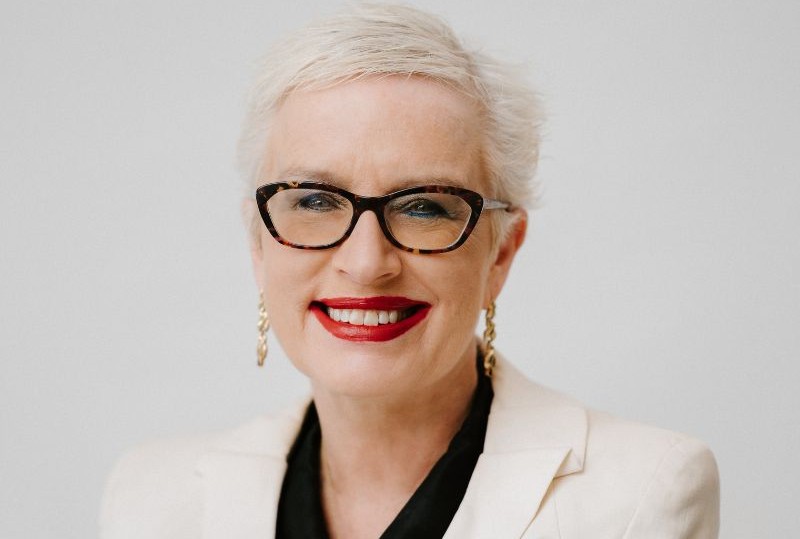
Sandra Hills OAM
CEO, Benetas